|
The 47-second read
That's the day. Get tomorrow's at 6 a.m. ET, free. |
Go deeper
Happy Thanksgiving to everyone celebrating today. Thank you for reading.
The Signal
“Next year is the last year that anything in modern life still feels a little normal”
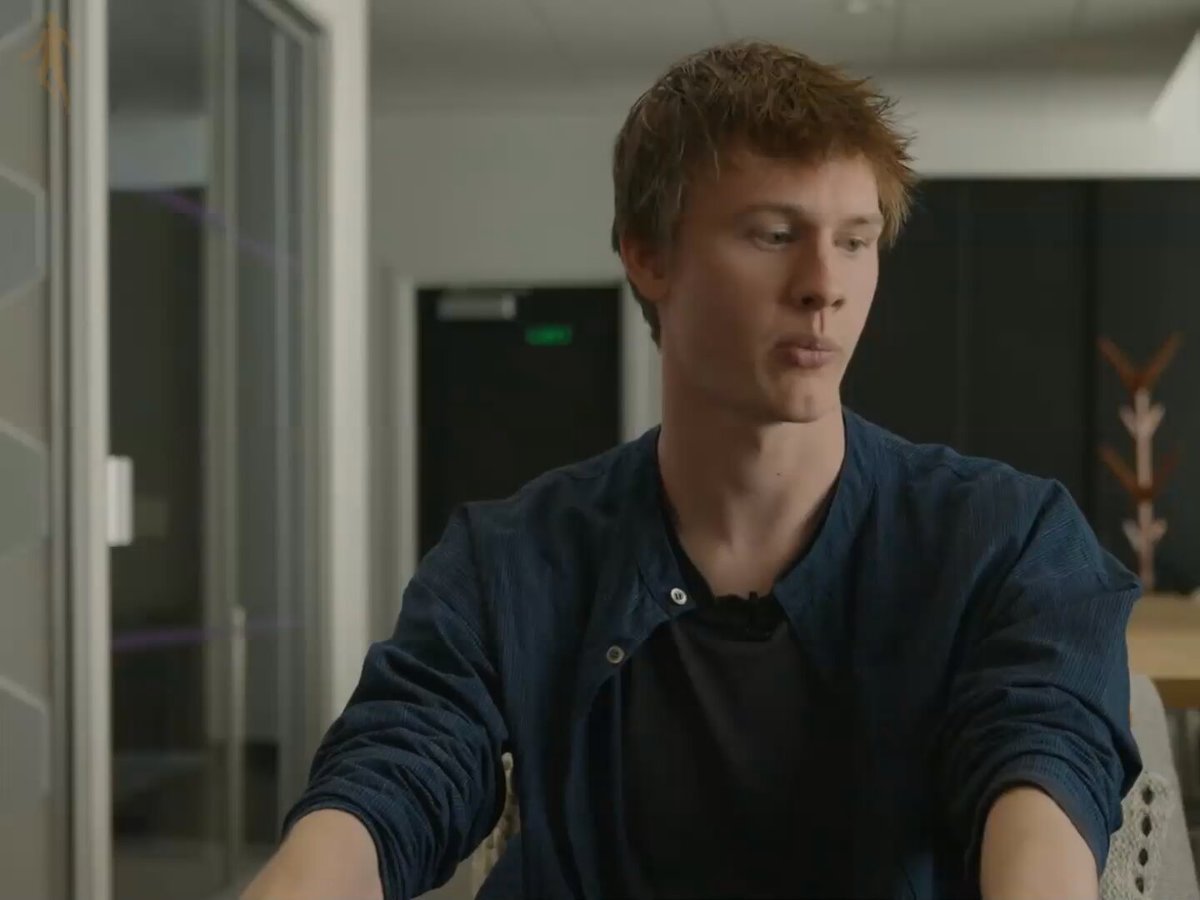
What happened. In 2024 Leopold Aschenbrenner, a 22-year-old former OpenAI researcher, published “Situational Awareness,” a 165-page essay arguing that AI as capable as people was plausible by 2027. He then started a hedge fund of the same name to bet on it. He bought companies that build data centers, such as CoreWeave and Nebius, and chipmakers such as Micron, bet against software companies such as Salesforce and Intuit, and borrowed three to four times his capital to do it. By early July the fund ran $45 billion, up fivefold in three months. Then the trade turned. The fund lost 67 percent in July, its lenders demanded more collateral, and on July 30 it sold most of its public stocks to Citadel in a single block at a 10 percent discount. It was still up about 80 percent for the year, Reuters reported, and kept a stake in Anthropic the FT put at about $5 billion. Now, the FT reports, he is weighing a “Situational Awareness 2.0” that would borrow again. Stephen Witt's profile in The New Yorker, where the line above comes from, finds him unshaken.
Why it matters. On Wednesday, OpenAI chief executive Sam Altman shared a clip of a former OpenAI researcher suggesting that Anthropic may be “hyperstitioning” the race to superhuman AI into existence, Bret Kerr notes. Altman called the word “a good one.” A hyperstition is an idea that makes itself real by changing how people behave. The philosopher Nick Land and his circle coined it in the 1990s from “hype” and “superstition.” Aschenbrenner's essay worked a little like one: it forecast a race, and money poured in to run it. Money that arrives on a story can also leave on one. In July, it did.
So what for your capital. A forecast that draws money can lift prices without settling who keeps the profits. So far the chip and server sellers have: Dell's sales more than doubled on AI servers. Aschenbrenner bought those sellers early and was right for two years. Borrowed money turned one bad month into a 67 percent loss. The price paid, and the debt behind it, decided the outcome.
Capital Flows
- Nvidia will not back a data center until it is nearly ready to run, as chip-rental firms report delays and dearer debt.
- AI debt worries rose Tuesday, a day after Jensen Huang returned as Nvidia's chief executive.
- BlackRock and IFM are reportedly weighing a lower bid for Stack's Asia Pacific data centers.
The Deal Sheet
|
ElevenLabs · Growth round, reported valued ~$33B · ~47x ARR (implied) · 1.5x since September 2026 · early talks for a 2027 round; $33B is the target valuation |
|
Every · VC round $18M raised · valued $110M post-money · Series A |
|
Visma (Bank of America, DNB Carnegie, Goldman Sachs) · Debt, reported up to €6.5bn: bank loan up to €2.5bn, up to €4bn from institutions; refinances ~€3.5bn and pays a dividend; debt about 2x earnings; IPO on hold |
|
Stack Infrastructure Asia Pacific data centers (BlackRock, IFM Investors consortium) · M&A, reported earlier reported value $20bn to $25bn including debt; bidders may cut the equity part and tie payments to projects |
|
Anthropic · IPO IPO price $83; opened $111.50 on Nov. 19; closed below $83 on Nov. 24 |
Implied multiples divide the valuation or deal value by the revenue or EBITDA the source gives. ~ marks reported figures.
Disruption Watch
General AI models catch up with biology specialists
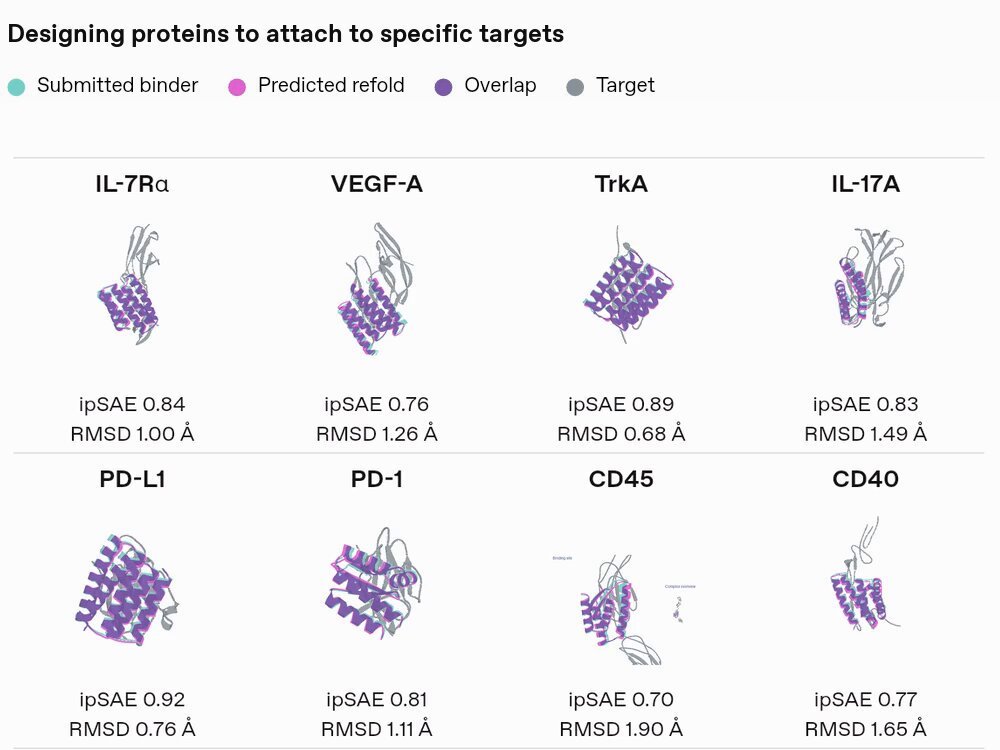
Image source: OpenAI (@OpenAI) on X
Chris Hayduk says a new OpenAI paper shows general language models matching or beating the best specialist tools at designing proteins. He had expected that around 2030. The paper is not yet peer reviewed. If it holds, startups selling narrow biology models face rivals that improve whenever the general models do.
Policy and Power
US curbs push Nvidia chips back onto the market
After new US rules limited China-linked customers' remote access to AI chips, Nvidia chip sellers are hunting for buyers. CNBC's sources say an unusually high volume, including thousands of B300s, has hit the market.
What Would Prove Us Wrong
Mood may be moving prices more than demand: Dell also approved a $25 billion buyback of its own shares.
Quick Hits
- Epochal launched, aiming “to illuminate the future.”
- AI voice maker ElevenLabs reportedly seeks a $33 billion valuation, up from $22 billion in September.
- Software group Visma shelved its London IPO and plans to borrow up to €6.5 billion.
Not investment advice. The Last Investment covers exposures and signals, never recommendations. The author may hold positions in companies mentioned.